
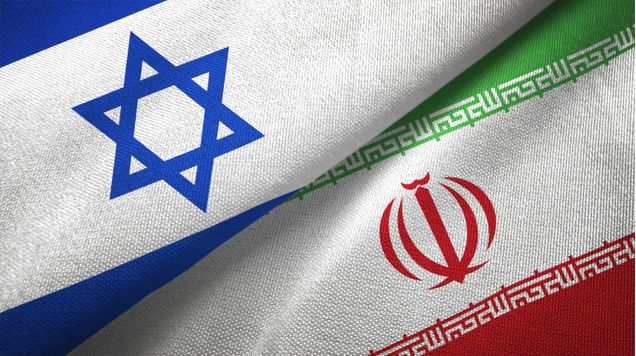
The recent turn of events in Iran has pushed the region from episodic volatility into a phase of structural uncertainty—one with direct implications for global business leaders, investors, and boardrooms that see India as a long-term growth anchor. What unfolds in Tehran today is no longer a distant geopolitical drama; it is a factor that increasingly shapes energy prices, supply chains, capital allocation, and strategic risk calculations tied to India’s economic trajectory.
At the heart of the concern lies energy security. Iran sits at the centre of a region that controls critical oil and gas transit routes, most notably the Strait of Hormuz, through which a significant share of global crude flows. Any escalation—whether through sanctions tightening, military signalling, or regional spillovers—has an immediate effect on oil prices, insurance premia, and shipping costs.
For India, which imports over 85 percent of its crude oil, this translates into inflationary pressure, currency volatility, and tighter policy choices. For global companies manufacturing in or exporting from India, energy cost fluctuations quickly show up in margins, logistics expenses, and pricing power. The Iran situation thus acts as a silent variable in boardroom forecasts, even when balance sheets appear domestically robust.
Beyond energy, the Iran crisis is reshaping how global capital views geopolitical risk concentration. Multinational firms are increasingly forced to reassess supply chains that depend on Middle Eastern transit corridors, Gulf ports, and energy-linked inputs. India, often positioned as a “China+1” or diversification destination, stands to gain from this recalibration—but only if firms account for second-order risks.
A disruption thousands of kilometres away can delay shipments to Indian factories, raise freight rates, or disrupt exports headed westward. For business leaders, this reinforces a hard truth: India’s growth story cannot be evaluated in isolation from West Asian stability.
Diplomatically, India’s careful balancing act adds another layer of complexity. New Delhi maintains strategic partnerships with the United States and Israel while preserving economic and connectivity interests with Iran. This multi-alignment has served India well, but prolonged instability increases the cost of neutrality. Infrastructure ambitions, trade routes, and regional connectivity projects become vulnerable to sanctions regimes and geopolitical pressure. For foreign investors, India’s ability to navigate these crosscurrents without policy shocks becomes a key confidence signal.
There is, however, a strategic opportunity embedded in the disruption. Persistent instability in energy markets strengthens the case for faster diversification—renewables, alternative fuels, domestic value chains, and regional manufacturing hubs. Business leaders who view India not merely as a market but as a production and innovation base are already adjusting strategies to hedge against geopolitical risk. In this sense, Iran’s volatility is accelerating conversations about resilience, not retreat.
Ultimately, the lesson for global business leaders is clear. The Iran situation is not a peripheral risk but a structural input into global economic planning.For those with stakes in India—whether in manufacturing, technology, infrastructure, or finance—geopolitical literacy is no longer optional. The future of business in India will be shaped not only by domestic reforms and demand, but by how deftly companies anticipate and absorb shocks emanating from regions like Iran, where politics, energy, and global markets intersect with lasting force.
TOP WATCH
Nepal Election Pivot
Nepal is heading into a critical national election on March 5, the first since mass youth protests over corruption and inequality toppled the former government. Three leading contenders—former mayor and independent Balendra Shah, reformist Gagan Thapa, and ex-prime minister Khadga Prasad Oli—are contesting amid intense public frustration with entrenched instability. Nepal has seen frequent government changes, reflecting deep political fragmentation. The outcome will not only shape Kathmandu’s domestic trajectory but also influence India-China competition for influence in the Himalayan republic, with Thapa generally deemed closer to New Delhi and Oli having ties with Beijing.
Pak-Afghan Escalation
Relations between Pakistan and Afghanistan have deteriorated sharply, with Islamabad declaring a form of “open war” following cross-border clashes and militant attacks. Pakistan has conducted air and ground strikes targeting Taliban positions in Kabul and Kandahar, claiming hundreds of militants killed—a figure disputed by Afghan sources. This escalation follows a fragile ceasefire and threatens to undo recent diplomatic efforts. Regional capitals, including India, are watching closely given spillover risks, refugee flows, and implications for broader South Asian security dynamics. Calls for civilian protection and restraint have emerged from multiple international voices.
South Asian Civilians in Gulf Crisis
As the Middle East conflict intensifies, South Asian communities are being directly affected far from the battlegrounds. In Karnataka’s Alipur village, around 60 residents currently in Iran for work, study, or pilgrimage are a growing concern for families and authorities back home, illustrating how global geopolitical shocks cascade into local anxieties in South Asia. Governments in the region have issued travel advisories and are coordinating welfare measures for citizens in conflict zones. This humanitarian dimension underscores the transnational reach of geopolitical crises and the domestic pressures they create for South Asian governments.